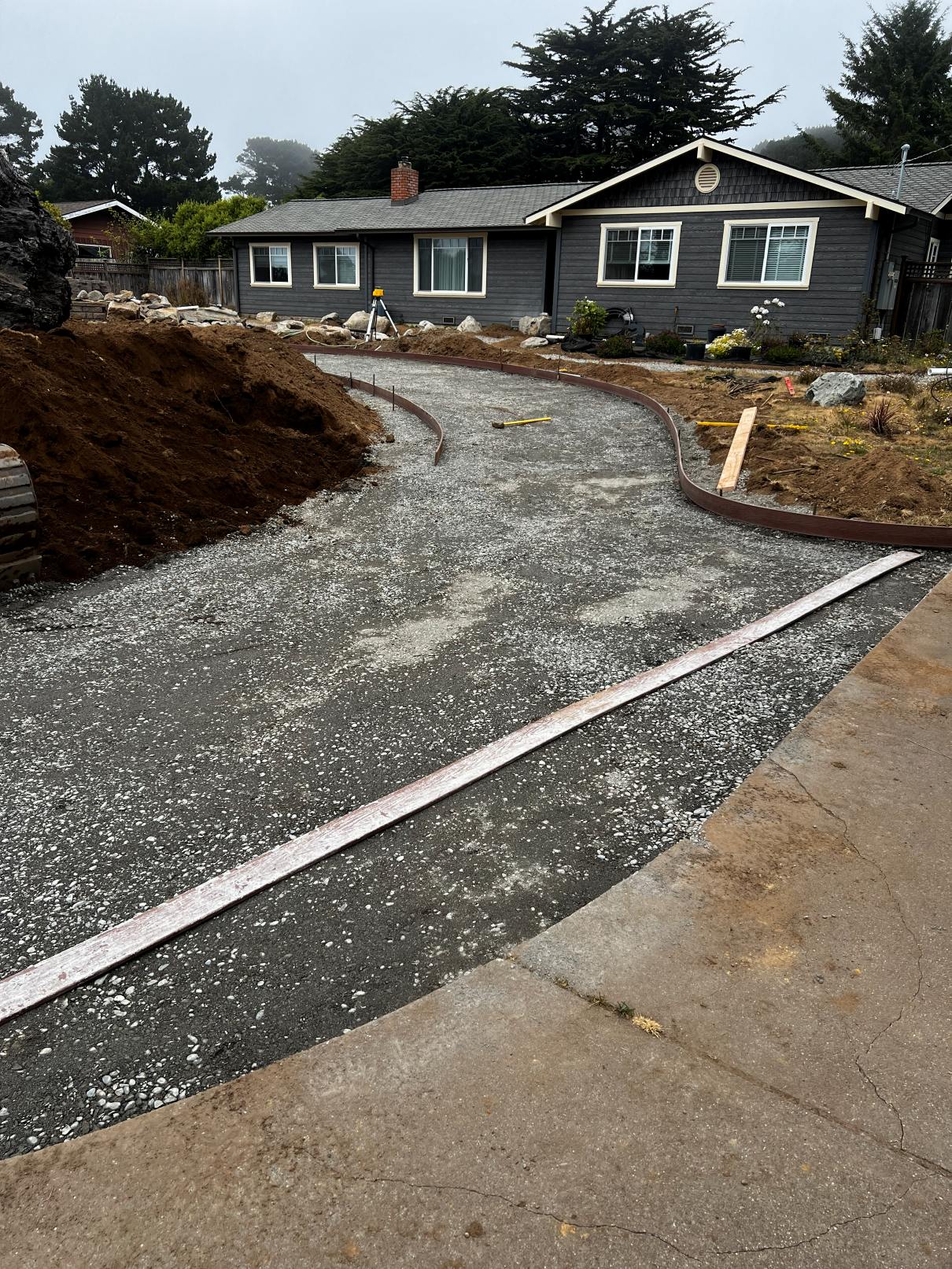
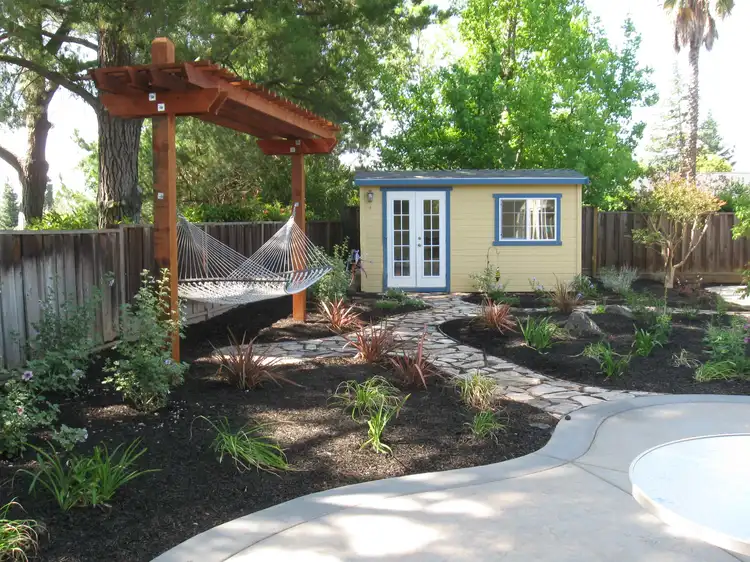
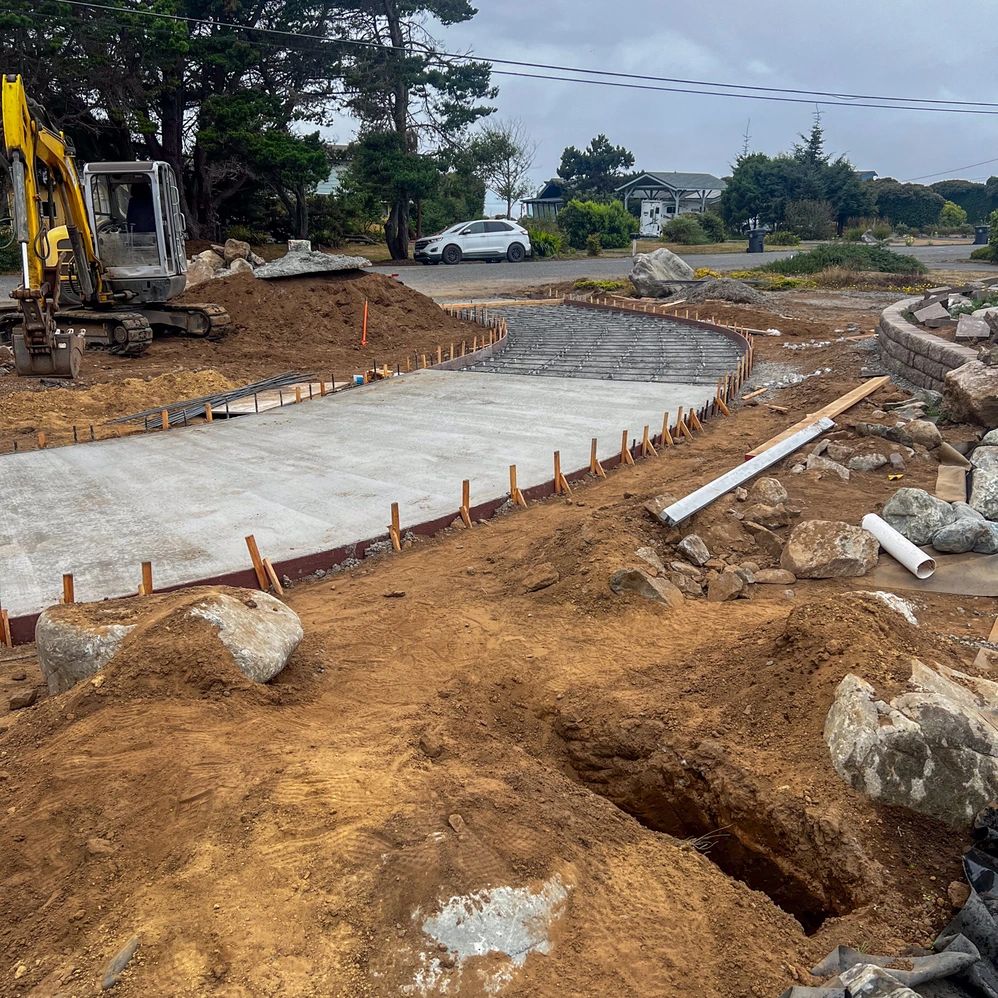
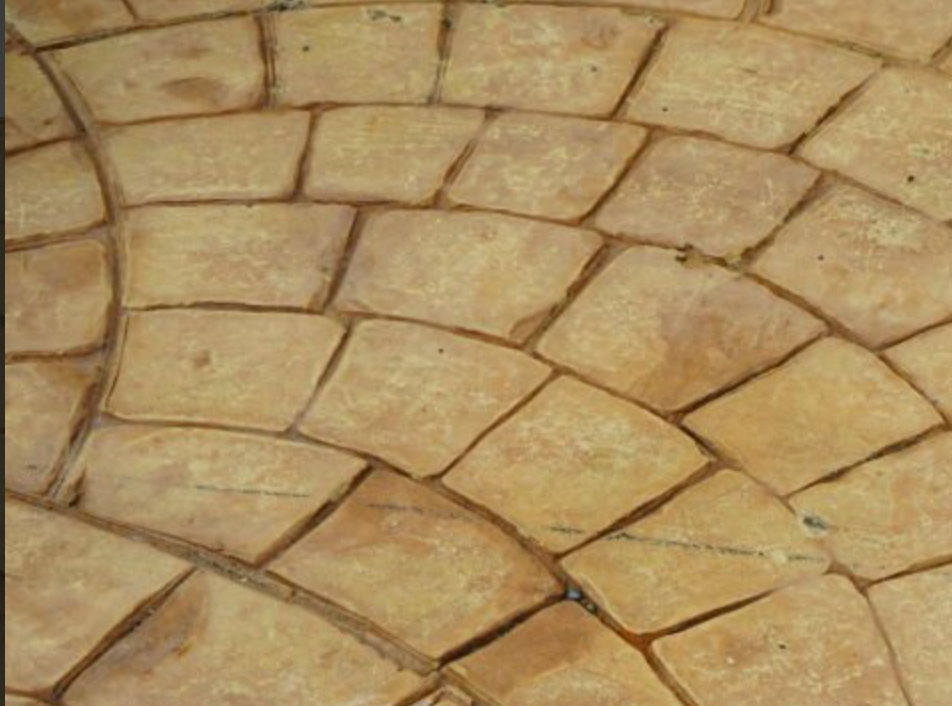
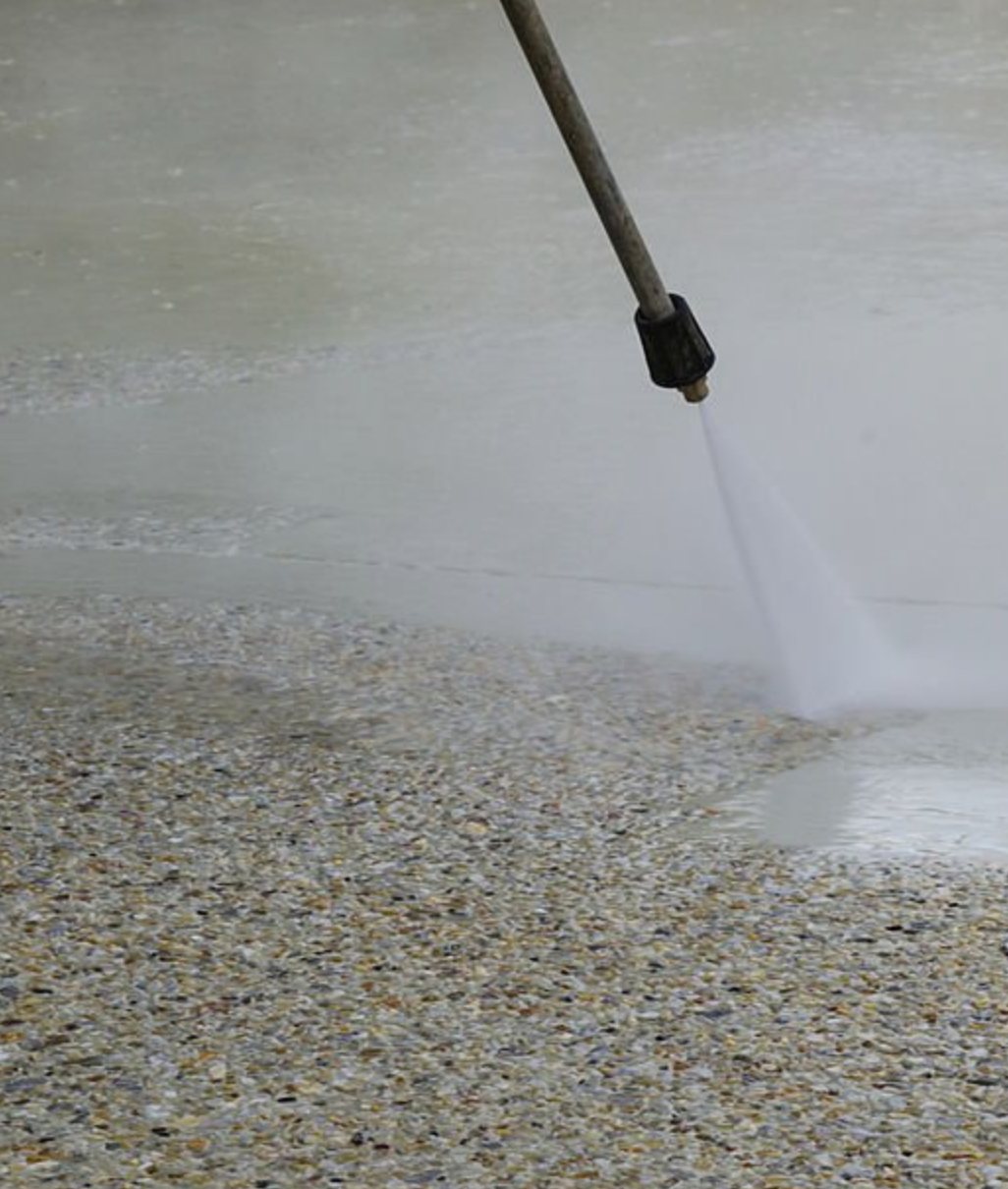
Concrete work designed by laura frost design

Beautiful, Durable Concrete Built for the Humboldt Coast

Expert Concrete design & installation tailored specifically for our unique coastal climate. We combine local knowledge with premium materials to create a space that enhances your property while standing up to Humboldt's challenging elements.

Your Trusted Humboldt County Concrete Partner

With deep roots in Humboldt County, we understand the unique challenges our coastal climate presents for concrete projects.
+

Climate Expertise

Our firsthand knowledge of Humboldt's coastal fog, driving rain, and persistent winds ensures your fence is built to withstand our unique weather patterns.

+

Terrain Solutions

From uneven coastal grades to varied soil types, we design and terraform the land to meet each unique challenge.

+

Integrated Design

As landscaping experts, we view decking not just as an extension of your home, but as a new space to thrive and build everlasting memories with your loved ones.

Latest Concrete Projects

Take a deeper dive into some of our latest concrete projects.

Shine Bright

A passion project designed and built with love. Taken directly from a hand drawing, this deck was custom built to reflect the beauty of the Humboldt experience. A mountain range, the sun overlooking the vista, and a set of waves to match, allows this deck to be truly 1 of 1. We used premium materials and a whole lot of ingenuity to bring this deck to life. Bending boards is not easy in the slightest, but we loved the challenge!

 Learn More 

Coastal Views

Set against the open skies and coastal views of Sandpointe, this modern privacy fence wraps a home in natural cedar warmth. Designed to provide both seclusion and curb appeal, the fence complements the architecture while standing up to coastal conditions. The clean lines and minimal profile showcase a balance of form and function, offering long-lasting protection without compromising the view or landscape.

 Learn More 

Why Your Property Needs Quality Concrete Designs

Beyond defining boundaries, the right design provides numerous advantages specifically valuable in our coastal environment.
+

Safety and Structural Integrity

Quality decking is built to rigorous standards using reliable, robust fasteners and structural components. This ensures the deck is safe, stable, and can securely handle heavy furniture, multiple guests, and adverse weather conditions. Poorly constructed or low-quality decks can pose serious safety risks; a commitment to quality is a commitment to the safety of your family and guests.

+

Enhances Property Value

A professionally installed, high-quality deck significantly boosts the aesthetic appeal of your home, making it more attractive to potential buyers. It's often viewed as a major home amenity, offering a higher return on investment (ROI) compared to many other home improvements. Quality materials ensure the deck remains beautiful and structurally sound for years, maintaining its value.

+

Creates Valuable Outdoor Living Space

Quality decking transforms unused yard space into a functional extension of your home. It provides an ideal, dedicated area for dining, entertaining, relaxing, and playing. This seamless transition from indoor to outdoor living dramatically increases your usable square footage and improves your overall lifestyle and enjoyment of your property.

Macro Shot of Azek Timberteck Decking. Colors Shown are Castle Gate, Dark Mahogany, and
+

Superior Durability and Reduced Maintenance

Investing in premium decking materials (such as composite, treated wood, or hardwoods) means less time and money spent on upkeep. High-quality products are engineered to resist fading, warping, moisture damage, and pests. This translates to avoiding annual stripping, staining, or replacement of boards, allowing you to spend more time enjoying your deck and less time maintaining it.

Materials Built for Our Coastal Climate

Selecting the right Decking material is crucial for ensuring longevity in Humboldt County's demanding environment.

Premium Hardwoods

Naturally dense hardwoods  are highly resistant to pests and decay and can last 25+ years. Softer, premium woods (like Cedar or Redwood) typically last 15-20 years but require more diligence.

To maintain their rich color, hardwoods require regular oiling (often annually) to prevent the wood from turning a soft, silvery-gray patina. They also require occasional cleaning and sealing to prevent splintering.

Unmatched natural beauty.
Offers the unique color, grain, and warmth of real wood that is impossible to fully replicate with synthetics.

Lifespan
15-30+ Years
Maintenance
Moderate to High

Composite Materials

Offers excellent resistance to moisture, insects, and rot. PVC is highly water-resistant and often lasts 50+ years, making it ideal for wet environments. Composite typically has a 25-30 year lifespan and resists fading/staining better than wood. Maintenance is minimal, requiring only occasional soap-and-water cleaning. No sanding, staining, or sealing is ever required, eliminating the high annual cost and labor of wood upkeep.

Modern products offer highly realistic, variegated colors and deep, embossed wood grain textures that beautifully mimic natural wood without the imperfections.

Lifespan
25-50+ Years
Maintenance
Low

Treated Woods

Typically softwood that has been chemically saturated under high pressure to resist fungal rot, moisture, and insect damage. he chemical treatment protects the internal structure, giving it a typical lifespan of 15 to 20 years with proper maintenance. Without maintenance, it is highly prone to surface cracking, warping, and splintering.
‍Requires seasonal cleaning and sealing/staining every 1–3 years to protect the surface from UV rays and moisture, which causes graying, cracking, and warping.

Features the natural look of wood, but the appearance can be inconsistent due to the treatment process (often having a greenish tint). Requires staining to achieve a desired color finish.

Lifespan
15-20 Years
Maintenance
High

Our Process: Built on Local Expertise

A structured, customer-focused approach designed to make your decking project smooth and stress-free.
 1 

Consultation & Assessment

We begin with an in-depth conversation about your goals and a thorough site assessment to evaluate terrain, soil conditions, and identify any unique challenges of your property.

 2 

Custom Recommendation

Based on your needs and our assessment, we'll recommend the optimal materials, designs, and approaches for your specific location within Humboldt County.

 3 

Transparent Quote

You'll receive a comprehensive, written quote outlining all aspects of the project including materials, costs, timeline, and any permit requirements.

 4 

Expert Installation

Our experienced crew executes the installation with precision and care, ensuring posts are set correctly, materials are handled properly, and the structure is sound.

Frequently Asked Questions

Find answers to common questions about concrete projects in Humboldt County.

What is the difference between composite decking and traditional wood, and which is the better investment?

+

The primary difference lies in the material and required maintenance.

Traditional Wood (e.g., Pressure-Treated Lumber, Cedar): This offers a classic look and is often the lower initial cost option. However, wood requires significant annual maintenance, including cleaning, sanding, staining, or sealing, to prevent rotting, splintering, and insect damage. It has a shorter lifespan and can warp or fade quickly if not diligently maintained.

Quality Composite Decking (e.g., Capped Composite): This is made from a blend of wood fibers and recycled plastics, often featuring a protective polymer shell. While the initial investment is higher, it requires virtually zero maintenance beyond occasional cleaning. It resists moisture, pests, fading, and warping, and often comes with extensive warranties (25+ years).

For long-term value, reduced labor, and superior durability, composite decking is generally the better investment, offering a much lower cost of ownership over the life of the deck.

How long does a quality deck typically last, and what factors affect its lifespan?

+

The lifespan of a deck is heavily dependent on the material quality, climate, and initial construction.

High-Quality Wood Decks (Hardwoods/Premium Treated): With excellent annual maintenance, these can last between 15 to 25 years. Lack of maintenance severely reduces this time.

Quality Composite Decks: These are designed for longevity, typically lasting 25 to 50 years or more. The high-density materials and protective capping make them extremely resistant to the elements.

Key Factors Affecting Lifespan:

Material Choice: As mentioned, composites significantly outlast most wood options.

Proper Installation: A quality deck needs a strong, properly ventilated sub-frame and correct fastener installation to ensure structural integrity and prevent moisture trapping.

Climate: Decks in high-humidity or extreme temperature environments will degrade faster if not properly protected.

Drainage: Allowing water to pool on or under the deck is the fastest way to invite mold, rot, and material deterioration.

Does quality decking require a permit, and what are the building code considerations?

+

Yes, nearly all new deck installations require a building permit, regardless of the materials used. This is a critical step that ensures your deck is built safely and legally.

There are certain exceptions to the rule, specifically in Humboldt County. If the deck is unattached from the home and less than 30" off the ground, no permit is required.

Building Code Considerations:

Safety & Structure: Codes mandate minimum requirements for structural components, including the size and spacing of support posts, beams, and joists. They also dictate how the deck must be securely attached to the house ledger board—a major failure point if done incorrectly.

Railings & Stairs: Codes specify the minimum height of railings (typically 36-42 inches), maximum gap size between balusters (usually no more than 4 inches), and stair tread/riser dimensions to prevent falls.

Zoning & Setbacks: Permits ensure the deck placement adheres to local zoning laws, which dictate how close the structure can be to your property lines (setbacks).

Working with a reputable contractor who manages the permit process and ensures all construction meets the latest International Residential Code (IRC) or local code amendments is essential for safety and future resale.

How important is the deck's foundation and sub-structure to its overall quality?

+

The foundation and sub-structure are arguably the most critical components of a quality deck, as they determine its stability, lifespan, and safety. The sub-structure is the part you don't see but is essential for support.

Importance of Quality Sub-Structure:

Longevity: If the foundation (piers/footings) is not dug deep enough or is improperly placed, frost heave (soil expansion due to freezing) can cause the entire deck to shift and become unsafe.

Decking Protection: A properly built frame, using quality, correctly treated lumber and appropriate joist spacing, ensures the decking material above is properly supported and ventilated. Poor spacing can cause even high-quality decking to sag or cup.

Structural Integrity: The use of correct metal connectors (joist hangers, hurricane ties) rated for your specific load requirements prevents the deck from failing under stress. Cutting corners here compromises the deck's ability to safely support people and furniture.

Can quality decking materials be used for existing deck renovations, or is a full replacement necessary?

+

It often depends on the condition of your existing sub-structure. A quality renovation, often called "re-decking" or "resurfacing," is possible and is a popular cost-saving option, provided the underlying frame is sound.

When Re-Decking is Viable:

If the posts, beams, and joists are structurally solid, level, and free from significant rot, mold, or insect damage, you can often remove the old surface boards and replace them with new, high-quality material (like composite or premium wood).

When a Full Replacement is Necessary:

If the existing frame is warped, leaning, or shows signs of rot or serious damage, you must replace the entire structure. Attempting to install new, heavy decking onto a failing frame is unsafe and a waste of money.

A professional deck inspector or contractor can assess the condition of your current frame and advise whether resurfacing or a full tear-down is the safest and most economical path forward.

Ready To Start Your Decking Project?

Let local expertise guide the selection of the perfect materials and style to withstand our coastal climate and complement your home.

Green Sun Landscaping proudly serves homeowners throughout Humboldt County, including Eureka, Arcata, McKinleyville, Fortuna, and the surrounding areas.

Get Your free quote

Thank you! Your submission has been received!
Oops! Something went wrong while submitting the form.